Introduction: Understanding MEPCO Endurance in the Modern Energy Landscape
MEPCO endurance refers to the long-term reliability, operational strength, and sustainable service capacity of the Multan Electric Power Company. As electricity demand in Pakistan continues to rise, users are no longer concerned only with monthly bills—they want consistent supply, system stability, and dependable digital services.
MEPCO endurance matters because it reflects how well the company handles billing systems, load management, infrastructure pressure, and consumer services over time. Unlike short-term fixes or seasonal improvements, endurance focusehttps://www.zoomautoprotect.com/post/how-to-access-your-mepco-endurance-login-a-step-by-step-guides on durability, continuity, and trust. This article goes deeper than surface-level explanations and explains how MEPCO’s systems sustain millions of consumers year after year.
What MEPCO Endurance Really Means
MEPCO endurance is not a technical term used officially, but it represents a practical reality for consumers.
Core elements of MEPCO endurance include:
-
Consistent electricity distribution
-
Scalable billing infrastructure
-
Digital service availability
-
Ability to handle rising consumption
Endurance is measured by how well systems perform under pressure, not just during normal conditions.
MEPCO Infrastructure and Operational Strength
MEPCO operates across vast regions of South Punjab, managing millions of connections.
Why infrastructure endurance matters:
-
High population growth increases demand
-
Extreme weather stresses power lines
-
Old systems require continuous upgrades
MEPCO’s endurance depends on its ability to maintain, upgrade, and stabilize infrastructure without disrupting service continuity.
Digital Systems as a Pillar of MEPCO Endurance
One of the strongest indicators of MEPCO endurance is its online ecosystem.
Key digital components:
-
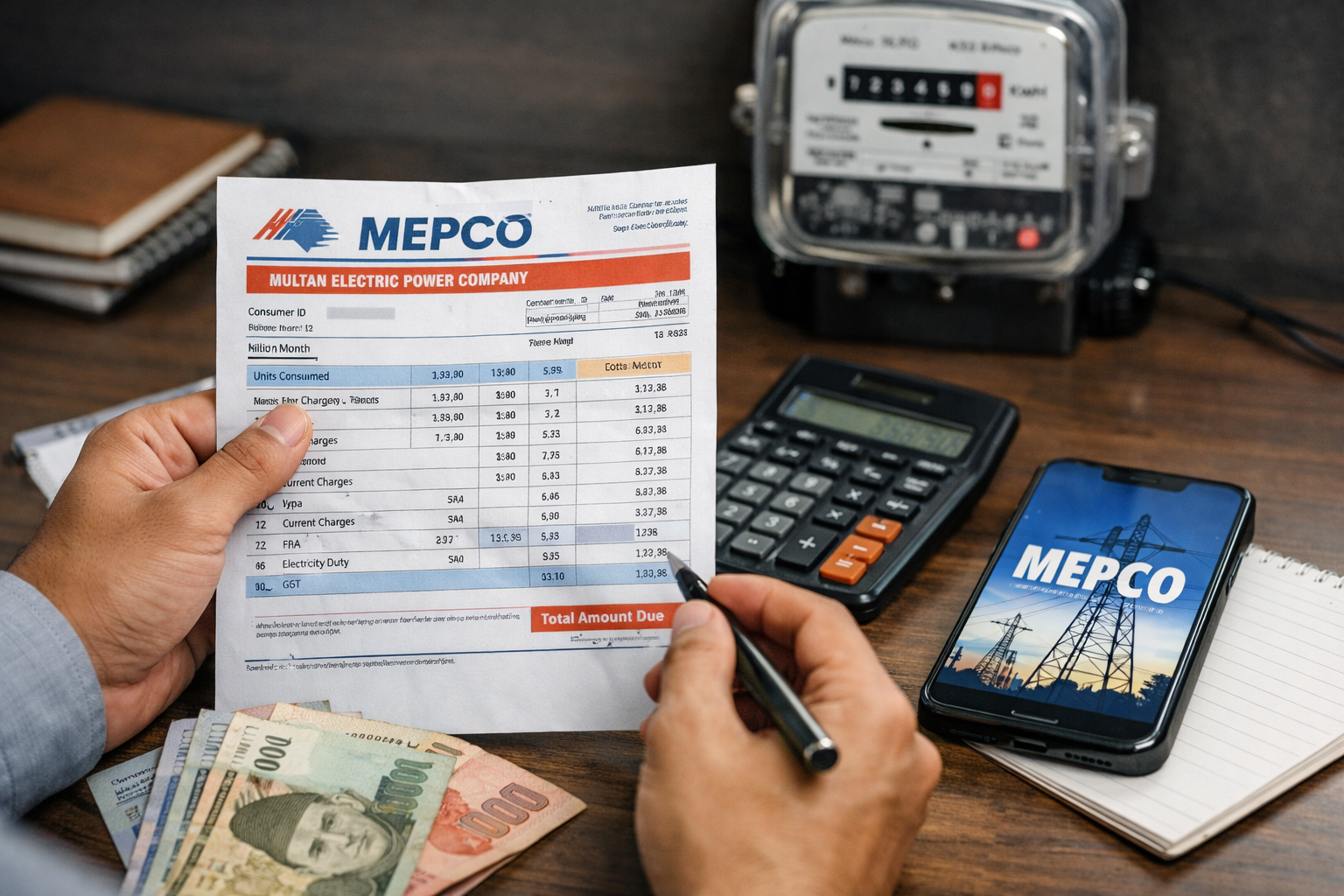
MEPCO bill online checking
-
Reference number–based billing access
-
Duplicate bill availability
-
Online complaint registration
These systems reduce dependency on physical offices and absorb consumer load efficiently, which is critical for long-term sustainability.
Billing Accuracy and Consumer Trust
Endurance is impossible without trust, and trust begins with accurate billing.
How MEPCO maintains billing endurance:
-
Centralized meter data processing
-
Automated bill generation
-
Standardized tariff application
Even small improvements in billing accuracy create long-term confidence, reducing disputes and system overload.
Load Management and Energy Demand Pressure
Pakistan’s electricity demand fluctuates heavily due to seasons and urban growth.
MEPCO endurance under load pressure depends on:
-
Scheduled load distribution
-
Peak vs off-peak management
-
Consumption trend monitoring
An enduring system is one that adapts to usage patterns instead of reacting to crises.
Consumer Awareness Strengthens MEPCO Endurance
Endurance is not built by the utility alone—informed consumers play a role.
When consumers understand:
-
Their electricity units
-
Billing components
-
Online tools
They reduce unnecessary complaints, missed payments, and disputes. This creates a self-stabilizing ecosystem where systems perform better over time.
Why MEPCO Endurance Is an Evergreen Topic
Unlike temporary news or monthly updates, MEPCO endurance is a permanent concern.
Long-term relevance comes from:
-
Continuous electricity usage
-
Ongoing digital transformation
-
Rising population demand
-
Financial planning needs
This makes “MEPCO endurance” a conceptual evergreen keyword, valuable for authority-building content.
Strategic Value of MEPCO Endurance for the Future
Looking forward, MEPCO endurance will define:
-
Service reliability
-
Consumer satisfaction
-
System scalability
-
Digital maturity
A utility that endures does not just supply electricity—it supports economic stability and daily life continuity.
Conclusion: Why MEPCO Endurance Matters More Than Ever
MEPCO endurance represents long-term strength, reliability, and adaptability in Pakistan’s electricity distribution system. From infrastructure and billing accuracy to digital services and consumer awareness, endurance is built through consistent performance over time.
To deepen topical authority, internally link this article with:
-
MEPCO bill online check guide
-
How MEPCO billing system works
-
MEPCO reference number explained
When endurance is prioritized, both the provider and the consumer benefit—creating a system that doesn’t just function today, but remains reliable tomorrow.
MEPCO endurance is ultimately about consistency, confidence, and long-term value for consumers. When electricity systems are resilient, billing is transparent, and digital access remains reliable, daily life becomes smoother and more predictable. By understanding how MEPCO’s endurance is built through infrastructure, technology, and informed usage, consumers gain clarity and control. This long-term reliability is not accidental—it is the foundation of sustainable energy management and uninterrupted service for the future.